

Why Phantom Became My Go-To Solana Wallet (and How to Get the Extension)
Whoa!
I remember installing my first Solana wallet and feeling both excited and a little nervous. My instinct said this would be smooth—after all, wallets are wallets, right? But something felt off about the UX of early extensions I tried; they were clunky, slow, and the NFT handling was a mess. Initially I thought Phantom was just another neat interface, but then realized it actually solved a lot of the frictions that make day-to-day NFT and token management painful.
Seriously?
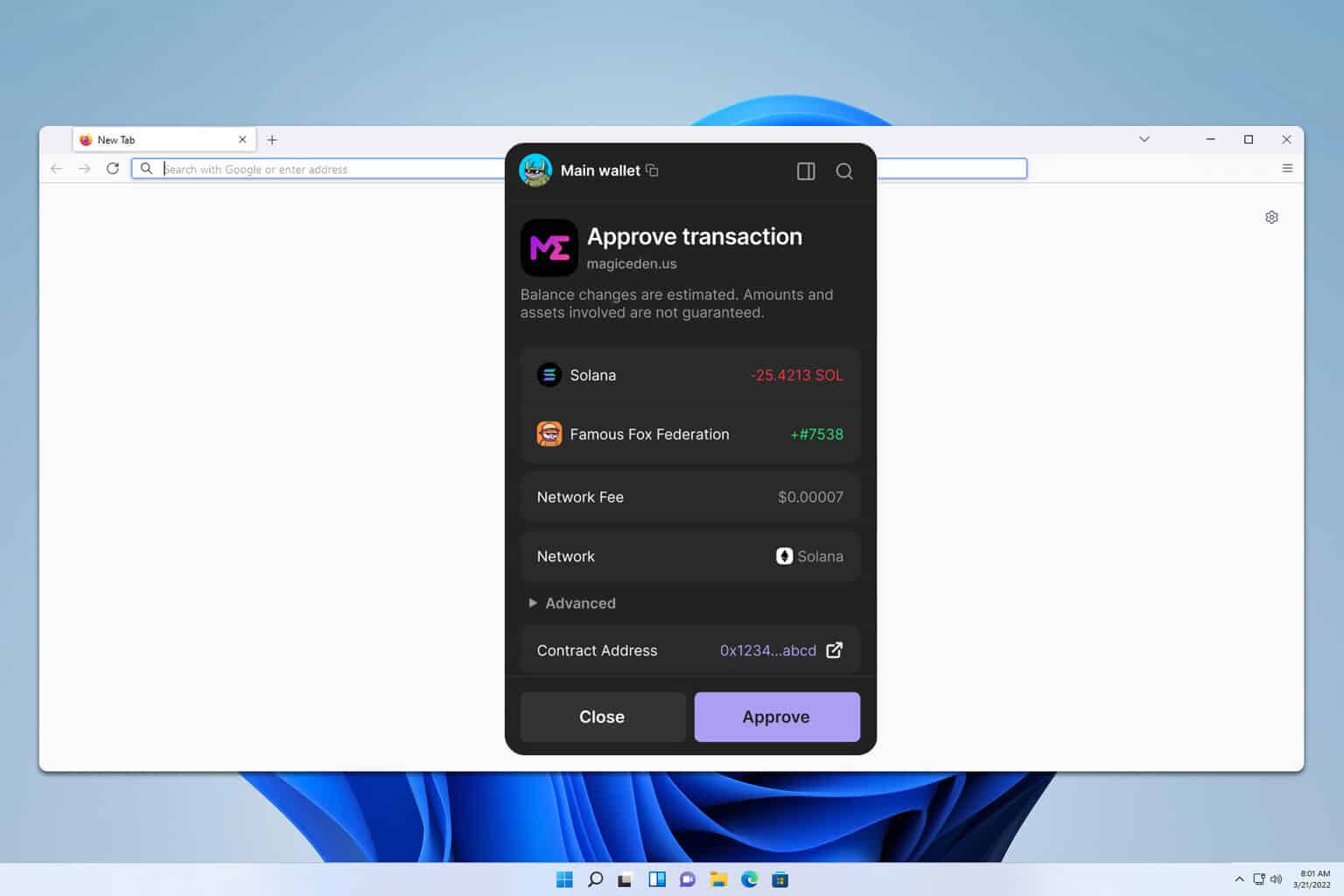
Yeah. Phantom streamlines things. It puts your SOL and SPL tokens up front and gives you clear NFT galleries without forcing you through a dozen submenus. On a more analytical note, the extension’s permission prompts and transaction previews reduce cognitive load, which matters when you’re signing trades fast—especially at busy drops, where milliseconds and clarity count.
Whoa!
Okay, so check this out—installation is trivial for most users, but there are small choices that change security outcomes. For instance, using a hardware wallet with Phantom adds a meaningful security layer, though the flow is slightly more complex and sometimes flaky (somethin’ to keep in mind). If you’re setting up for the first time, write your seed phrase down on paper and store it in a safe place; digital backups are convenient but risky—very very risky, honestly.
How to get the phantom wallet download extension
If you want the extension, the easiest way is to follow the official link to the phantom wallet download extension and choose the browser version that matches your setup. I’ll be honest: some third-party sites masquerade as installers, and that part bugs me (oh, and by the way… double-check the domain). Use Chrome, Brave, or Edge, and avoid downloading random CRX files from shady sources unless you know what you’re doing.
Hmm…
After installing, you’ll see a tidy onboarding that asks whether you want to create a new wallet or restore one from a seed phrase. The restore flow is straightforward, though I always pause at the “connect” permission screens and actually read what dapps are asking for (people skip this, but it matters). On one hand, instant connections feel convenient; on the other hand, I’ve seen approvals that granted more access than necessary, so take a second to deny or limit permissions.
Whoa!
Phantom’s NFT UI is where it shines for collectors—images load fast and metadata is handled cleanly, which matters when you’re juggling multiple collections. Initially I thought NFT galleries were a nicety, but then realized they change how you interact with your holdings, turning opaque token lists into something visual and intuitive. This design choice directly affects discoverability and the joy of owning, and that user-centered thinking is a big reason Phantom stuck around on my toolbar.
Really?
Yes—there are trade-offs. The extension simplifies private key management, but that also means your keys are on the device unless you pair a ledger. So if your machine is compromised, you’re exposed. My practical take: treat Phantom like a secure front-end, not as bulletproof vault storage; for high-value cold storage, use hardware solutions and keep them offline.
Whoa!
Security-wise, there are clear best practices that feel obvious after some use, but newbies often miss them. Don’t share your secret phrase, never type it into websites, and beware of phishing—attackers craft clone pages that look nearly identical to the wallet or dapp interfaces. Actually, wait—let me rephrase that: phishing is not just about bad websites; sometimes it’s about social engineering and browser extensions pretending to be helpers, so be suspicious of unsolicited prompts.
Hmm…
One thing I ran into: not all dapps are honest about the allowances they request. Allowances stretch from simple token approvals to more dangerous “infinite approvals” that let contracts move your tokens without repeated confirmation. Initially I clicked through approvals thinking they’d only be used once, but then I learned to revoke unneeded allowances using on-chain explorers or the wallet’s granted permissions screen. On a longer, methodical note, habitually reviewing and revoking permissions is low-effort risk reduction that pays off.
Whoa!
For devs and power users, Phantom offers a nice developer experience with API hooks and compatibility with common Solana tooling. If you build or tinker, you’ll appreciate the dev console and the way Phantom surfaces transaction simulation and logs. There’s a subtle interplay between convenience and transparency here: good tooling empowers creators, though it also requires discipline to avoid accidental exposures during testing.
Seriously?
Absolutely. Wallet performance matters in the Solana world because low fees and fast blocks create a fast-moving market for NFTs and tokens. If your extension lags, you miss bids and drops, which feels particularly painful when you watch a mint sell out. My advice—keep Phantom updated, and restart your browser if things get sluggish (browser memory can leak like crazy with lots of tabs).
Wow!
Some final practical tips from my own trial-and-error: set a separate wallet for active trades and mints, and keep a little everyday SOL in that hot wallet while storing the bulk offline. I’m biased, but separating funds by use-case reduces catastrophic losses and lets you behave more calmly at launches. Also, train yourself to scrutinize any transaction line items—if gas or fees look odd, pause, and check the contract details.
Common questions I keep getting
Is Phantom safe for NFTs?
Yes, for everyday NFT management it’s safe if you follow basic security hygiene: use a hardware wallet for high-value assets, never expose your seed phrase, and double-check dapp permissions before approving transactions.
Can I use Phantom on mobile?
Phantom offers a mobile app that syncs with your wallet, but the browser extension experience is generally faster for drops and heavy NFT browsing; pair with the mobile app for convenience if you need on-the-go access.
What about phishing and fake extensions?
Great question—always install from official channels, verify the developer and user reviews, and avoid CRX files from random sites. If you ever get an unexpected prompt to paste your seed phrase, treat it like a red flag and close the tab immediately.